

CASE STUDY
03
Plastic reduction
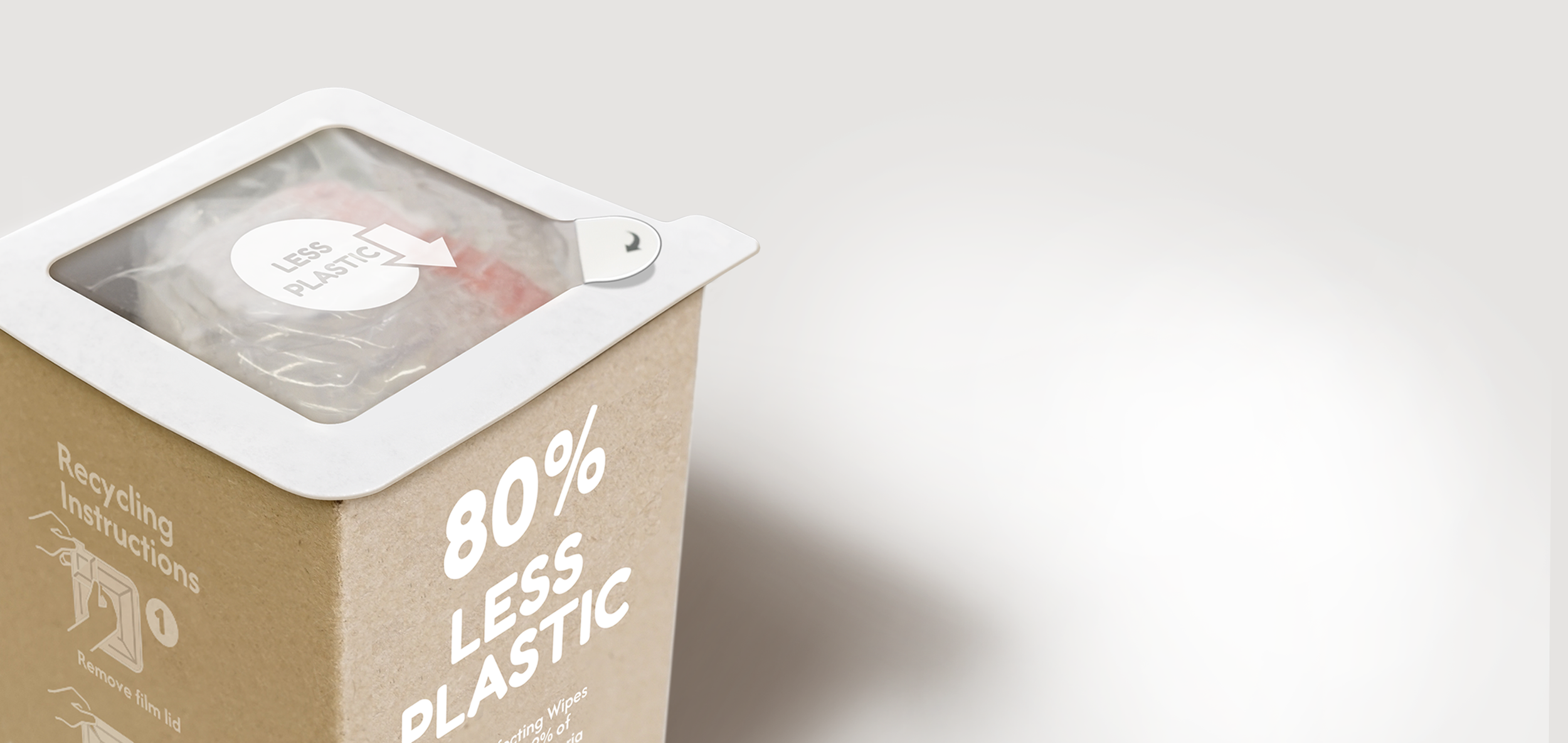
REDUCING PLASTIC-INTENSIVE PACKAGING FOR PRIVATE BRAND
Can a top-three global retailer reduce plastic waste at scale within two years?
A playbook to cut plastic across product categories
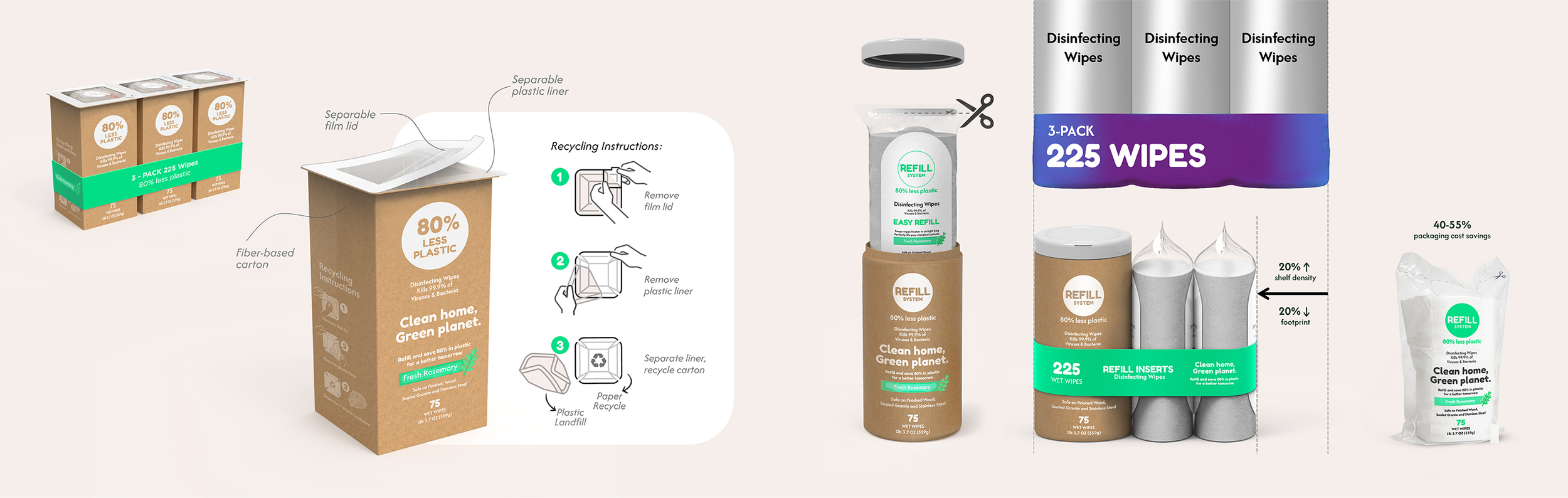
Faced with an ambitious but stalled plastic reduction goal, I led the strategy for the client’s Private Brand packaging—reducing plastic by up to 95% in key SKUs. By aligning teams on clear decision criteria and metrics that balanced trade-offs with environmental impact, I created a framework the client could easily replicate and scale across product categories.
THE IMPACT
<95%
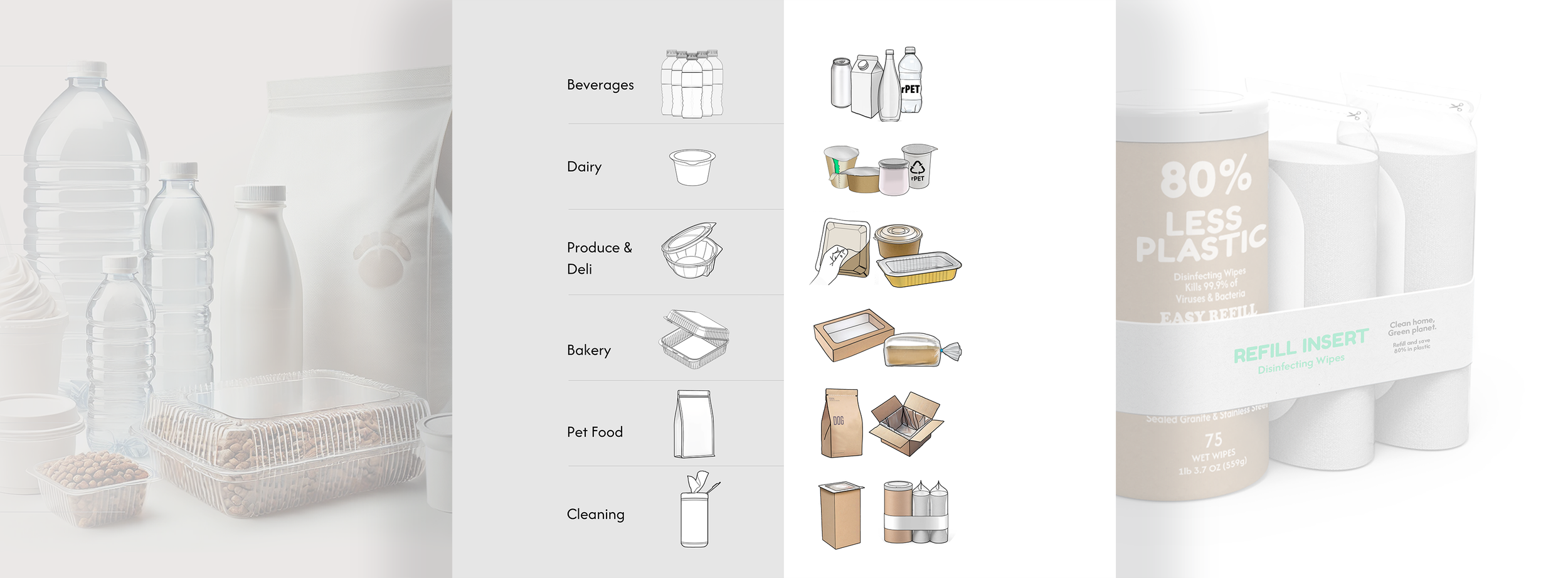
Plastic cut across 6 SKUs
8%
Weight reduction (~60K metric tons)
15
Formats tested and scored on plastic, CO₂, cost & scalability
FROM
TO

Scalable low-/no-plastic formats
LCA-tested, with trade-off scorecards
Single-use, high-plastic formats
High-impact SKUs with limited alternatives

MY ROLE
As Sustainable Packaging Lead, I built the strategy and tools that enabled the client to independently run and scale future projects
Validated formats, researched vendors, led teardowns, and managend LCAs to benchmark solutions
Built decision framework and scorecards to scale reduction efforts
Codified methods into a playbook for implementation and scale
Developed roadmap to drive lasting business impact
There’s no perfect packaging
—only smart trade-offs.
I created this 5-step playbook to help the team uncover massive plastic reduction potential, equipping them with the tools, mindset, and framework to drive change on their own. By codifying the learnings, I made sure they could keep driving impact long after my role was done.

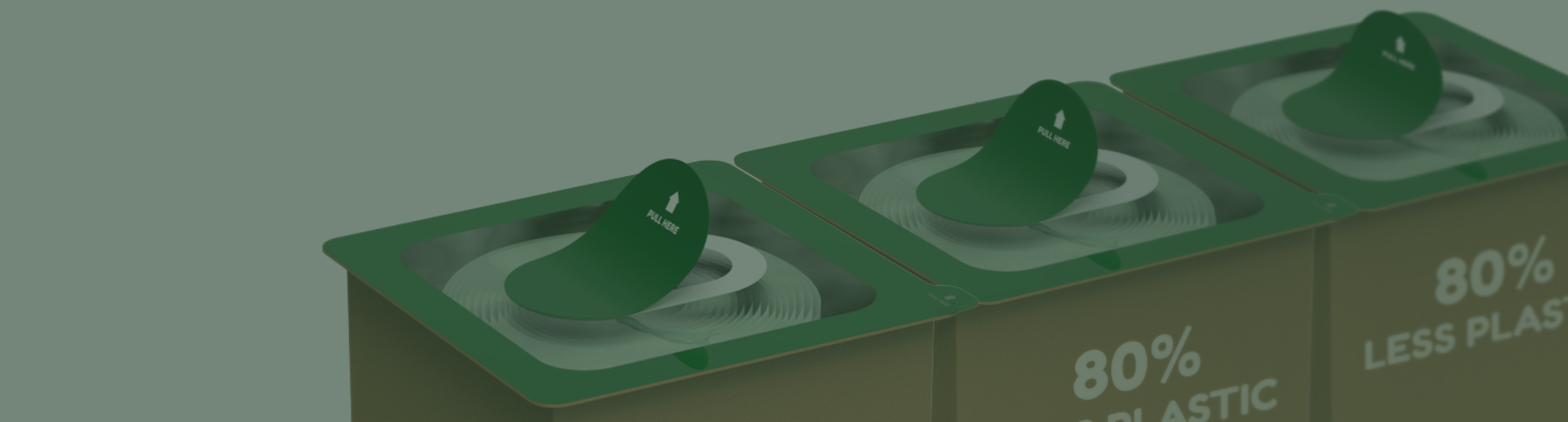


DEEP DIVE: A roadmap to use less


Back to Overview

Next: Coffehouse experience