

DEEP DIVE Varian | Radiotherapy redefined
RADICALLY SIMPLE. GLOBALLY SCALED.
Halcyon launched as a high-throughput system that is now widely deployed, transforming radiotherapy workflows from Lagos to Los Angeles, with many institutions adopting it as their ‘workhorse’ system.
THE CHALLENGE
Closing the cancer care gap—globally
Varian set out to redefine radiotherapy with a system designed to expand access to high-quality treatment, especially in underserved regions. The goal: Deliver speed, safety, and precision in a simplified, cost-effective platform that’s easy to install, operate, and maintain—even in resource-constrained settings.
DESIGNING FOR EMERGING MARKETS
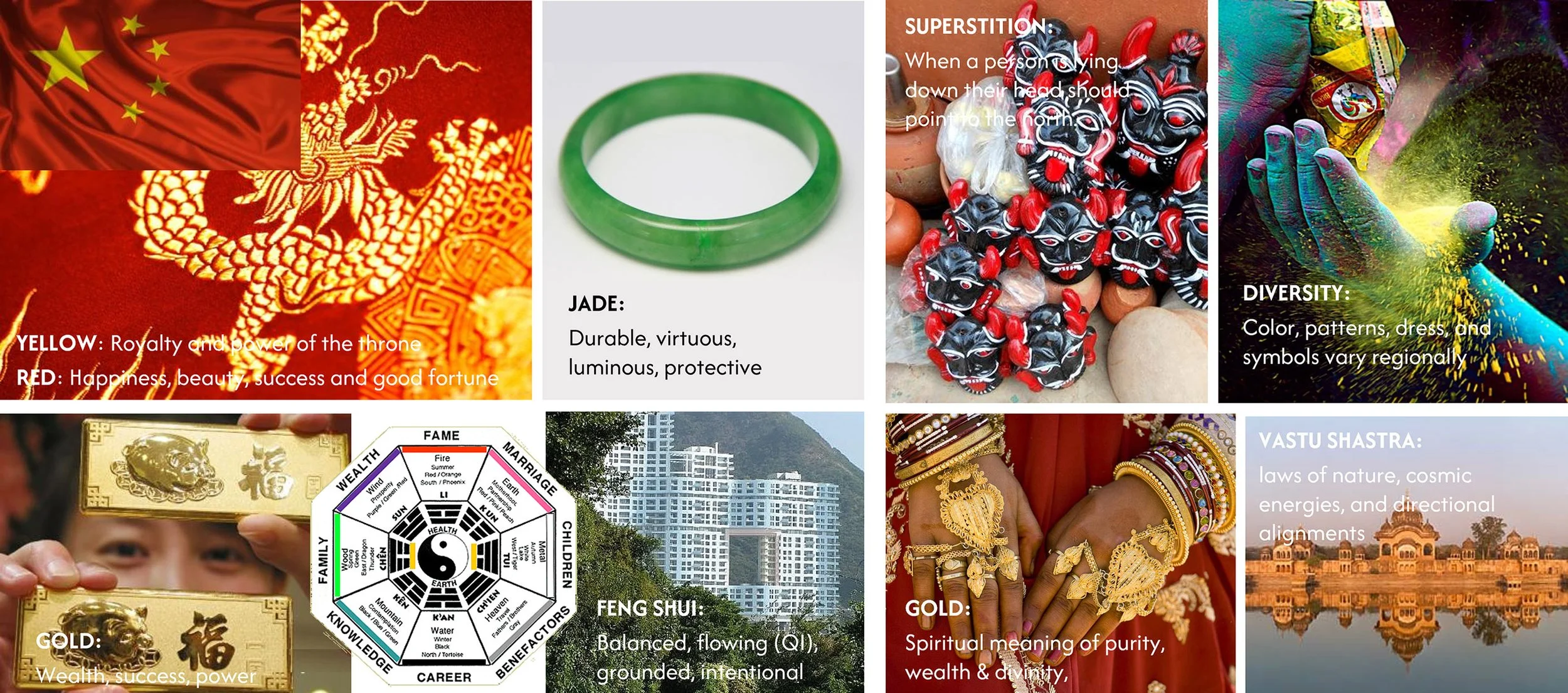
From the start, understanding cultural beliefs across key emerging markets like China, India, and Southeast Asia was essential to designing a radiotherapy system that balanced Western scientific credibility with an approachable, trusted experience for patients and physicians.
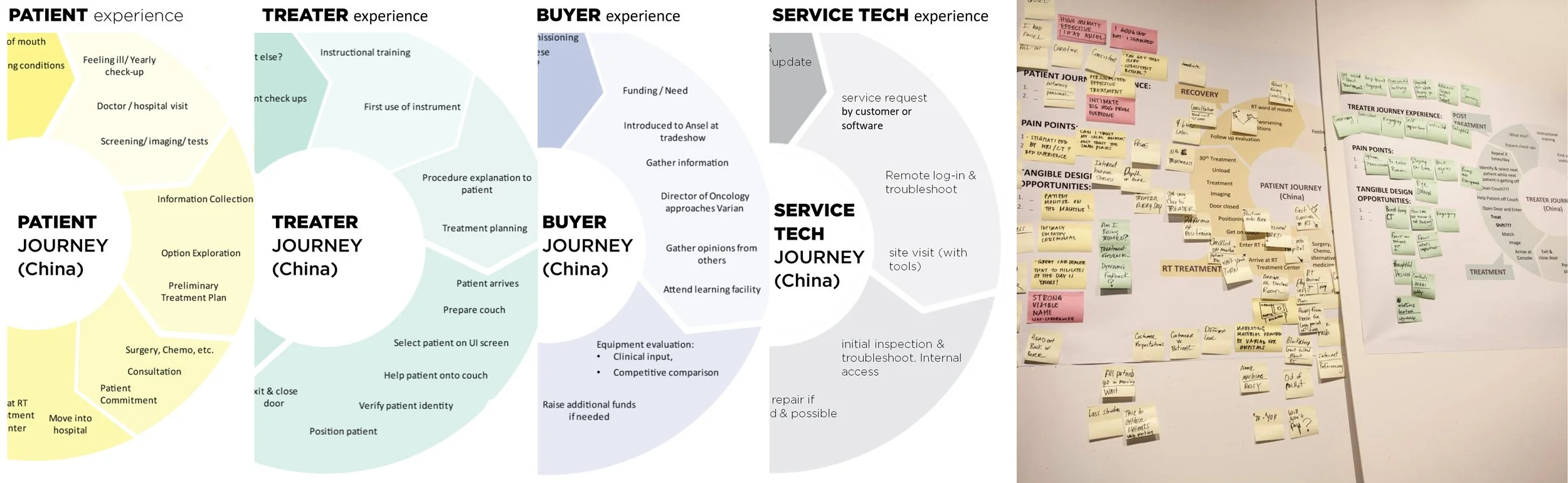
Beyond cultural immersion, mapping user journeys revealed distinct needs: PATIENTS sought comfort and reassurance; TREATERS needed intuitive, time-saving tools; and BUYERS prioritized fast installation, lasting value, and a system that didn’t feel second-tier
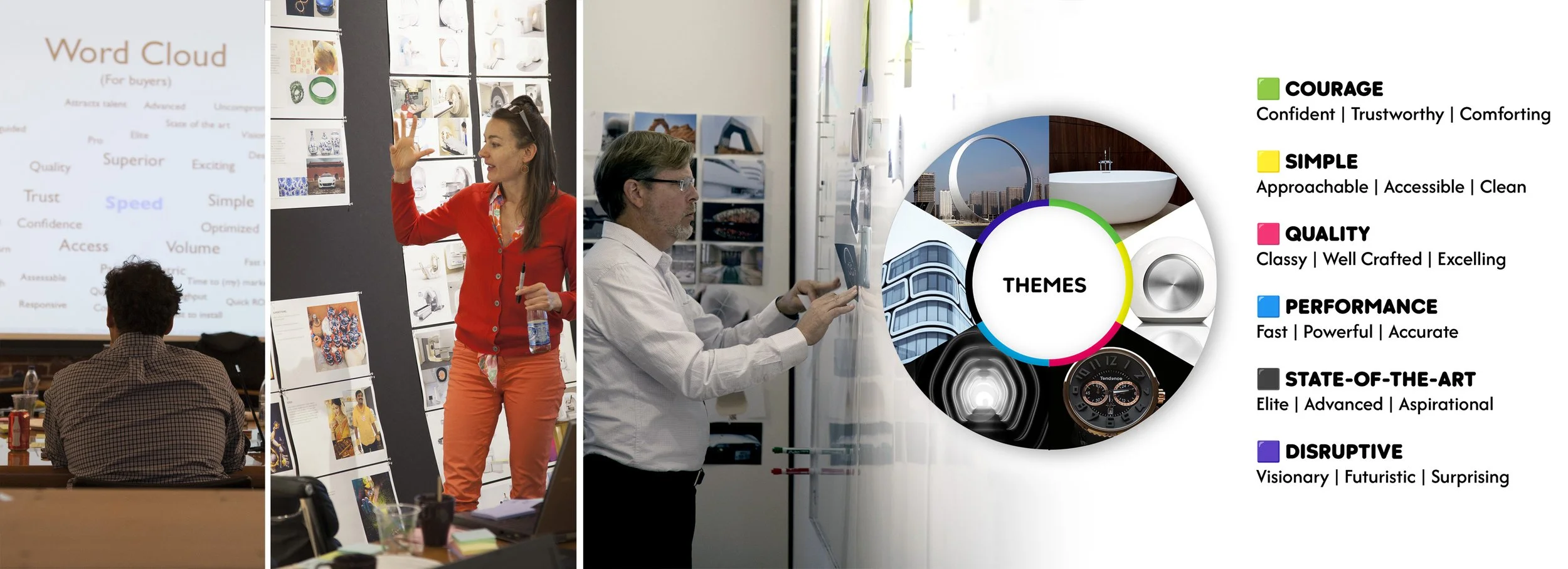
Led co-creation workshops to define key attributes, paired with inspirational imagery and organized into distinct themes—balancing Varian’s technological ambition with cultural sensitivity and laying the foundation for the design exploration phase
Designing the next icon meant translating the cultural, emotional, and practical needs of patients, treaters, and buyers. The breadth of design concepts expressed a spectrum—from creating a welcoming patient experience to streamlining workflow and instilling confidence in clinical treatment
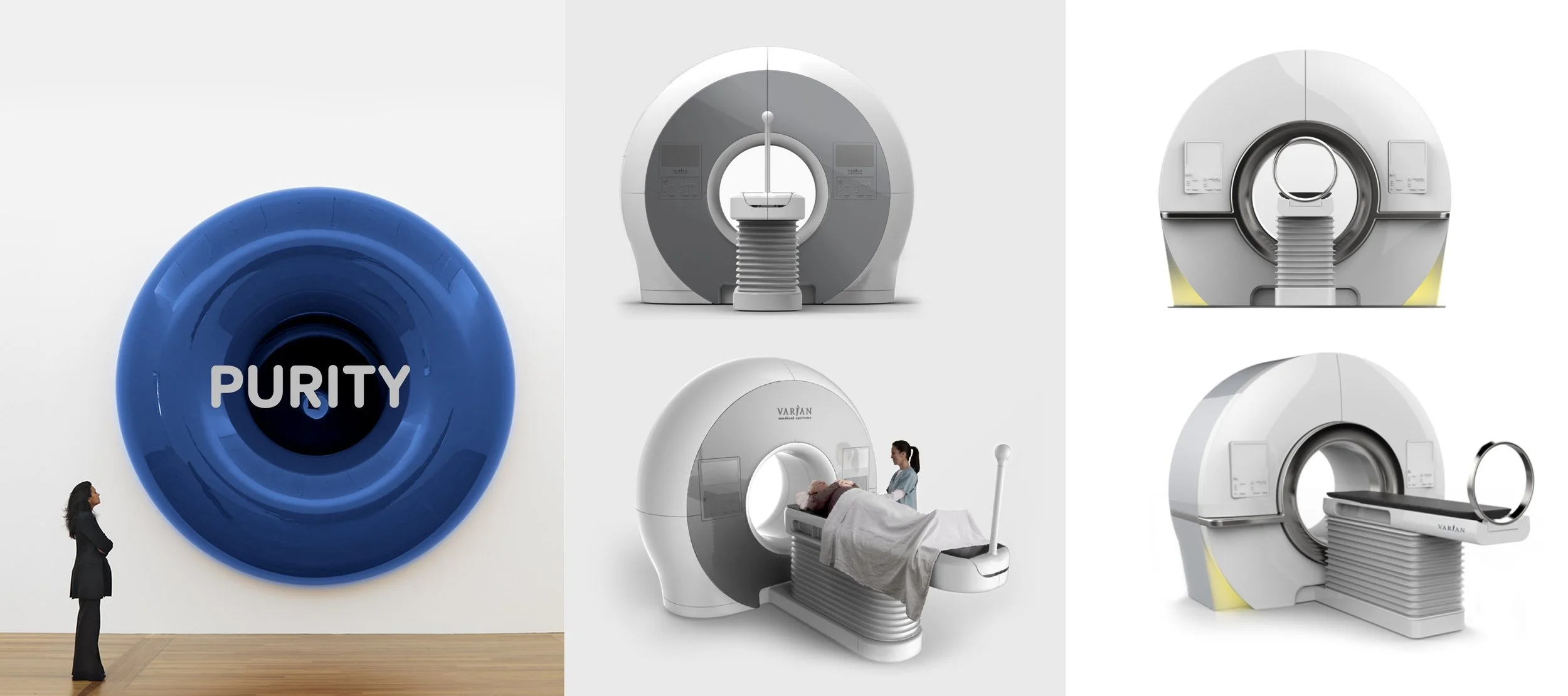
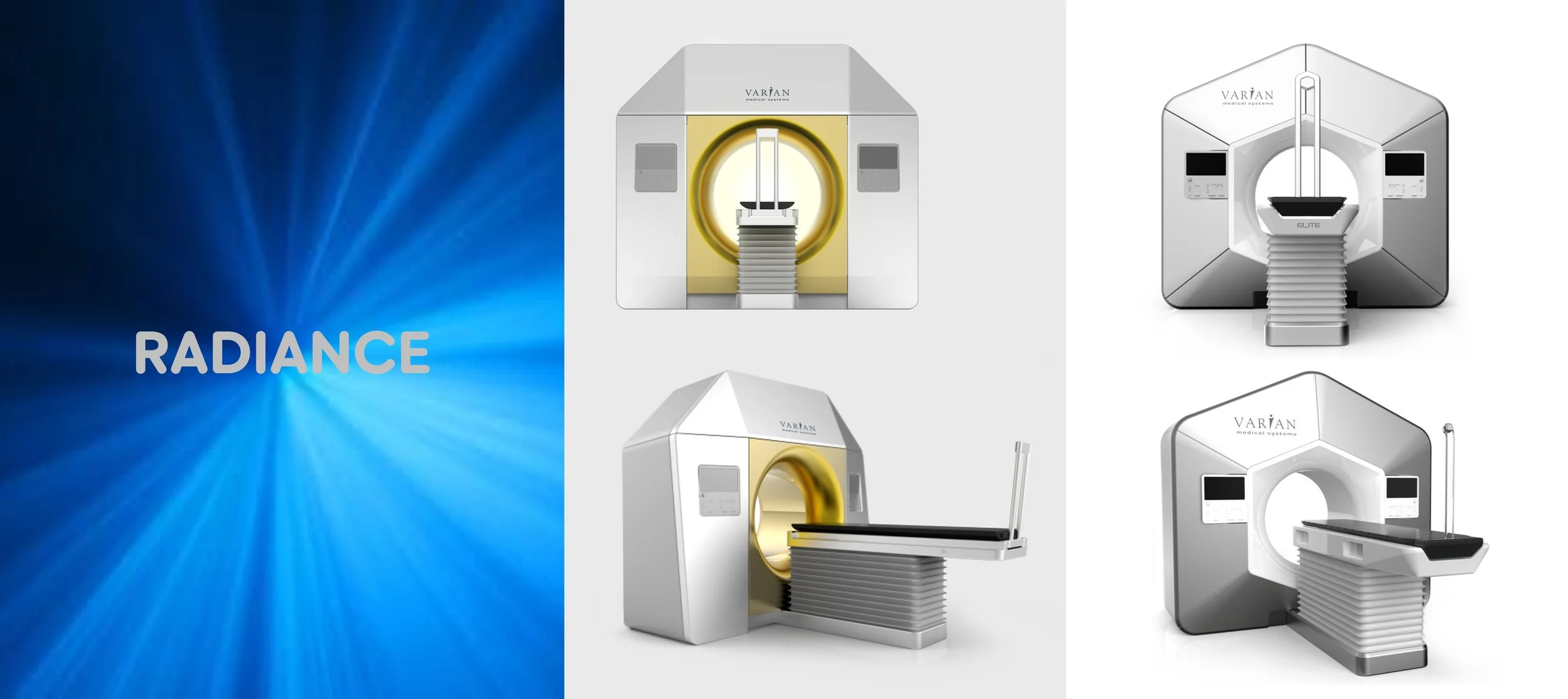
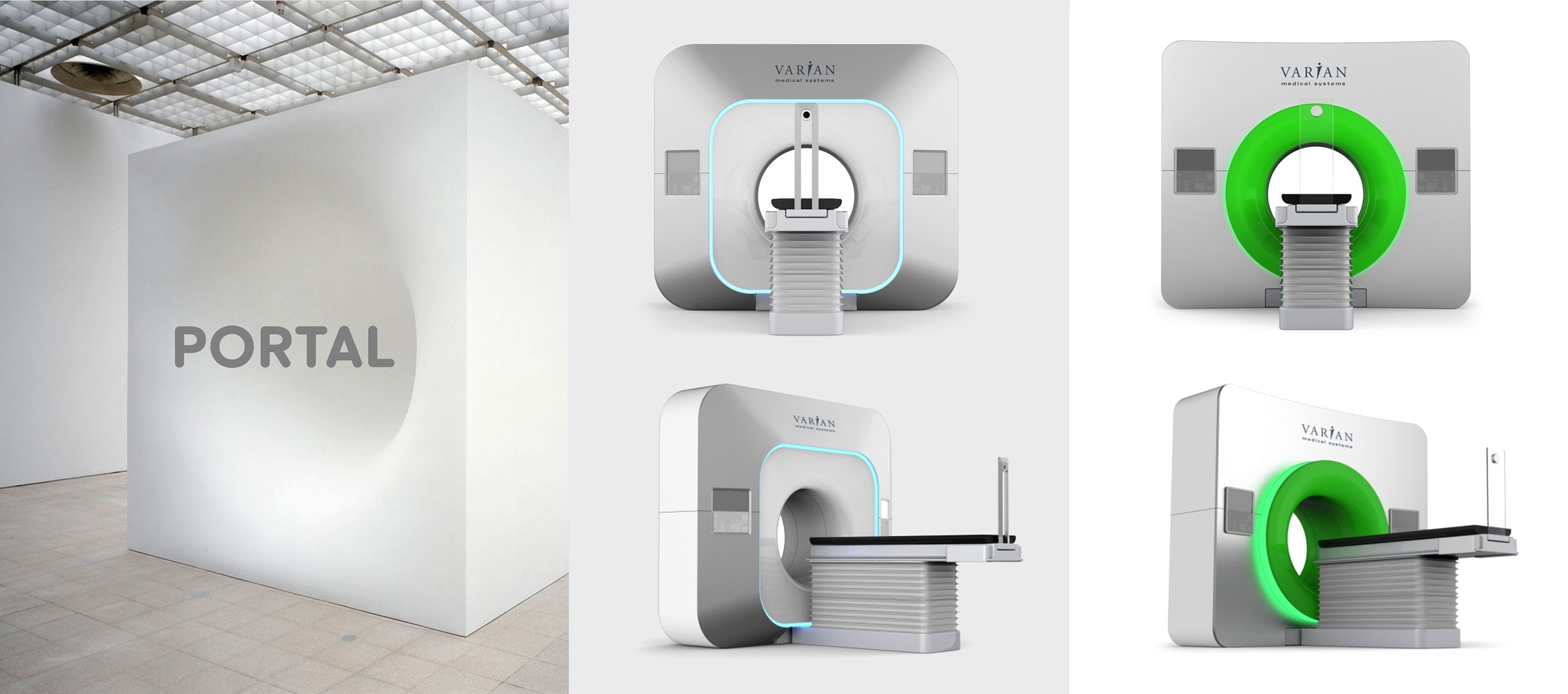
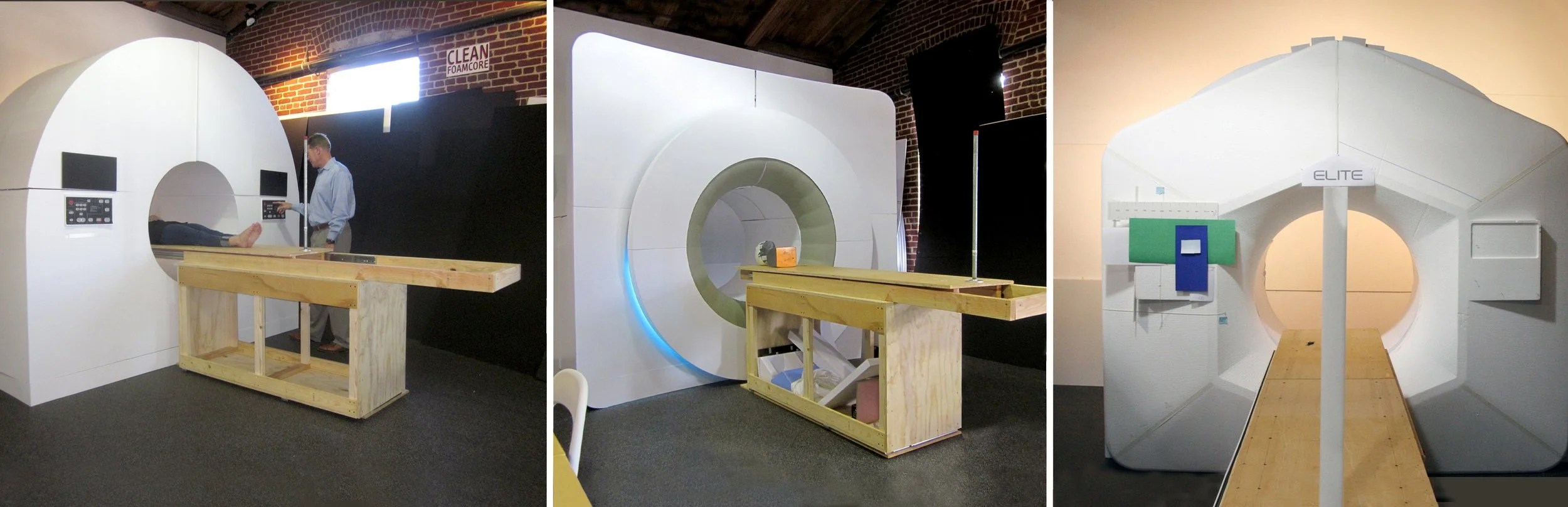
Early CAD models quickly progressed to full-scale mockups to evaluate the machine’s physical presence and lay the groundwork for extensive usability testing—crucial to delivering a truly human-centered experience for all stakeholders
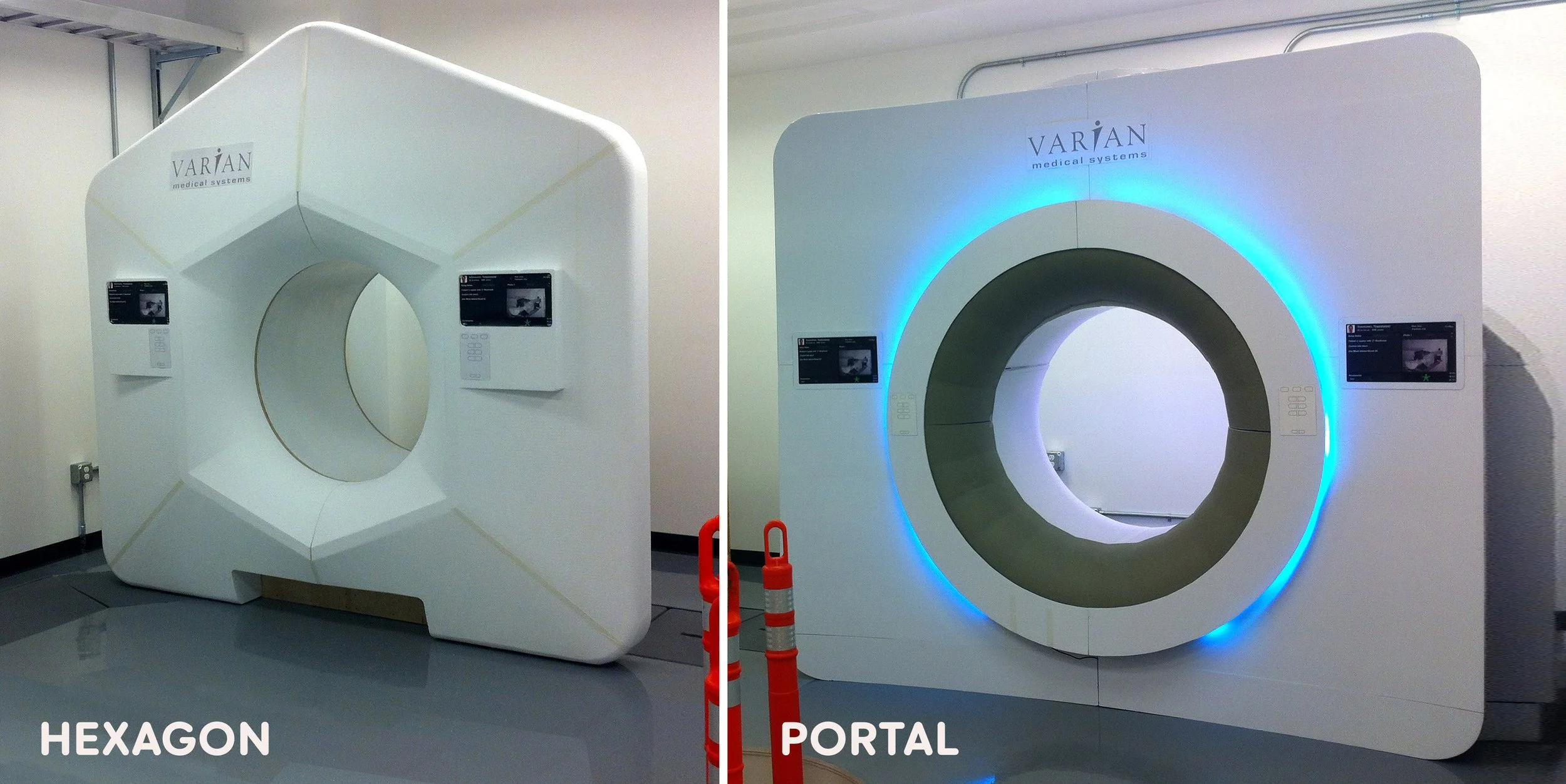
EAST VERSUS WEST
The initial Zen-inspired ‘PORTAL’ design aimed to create a calming, welcoming presence—but ultimately felt too understated, blending in with existing MRI machines, occupying a larger footprint, and lacking the assertive presence expected of Western medical innovation.
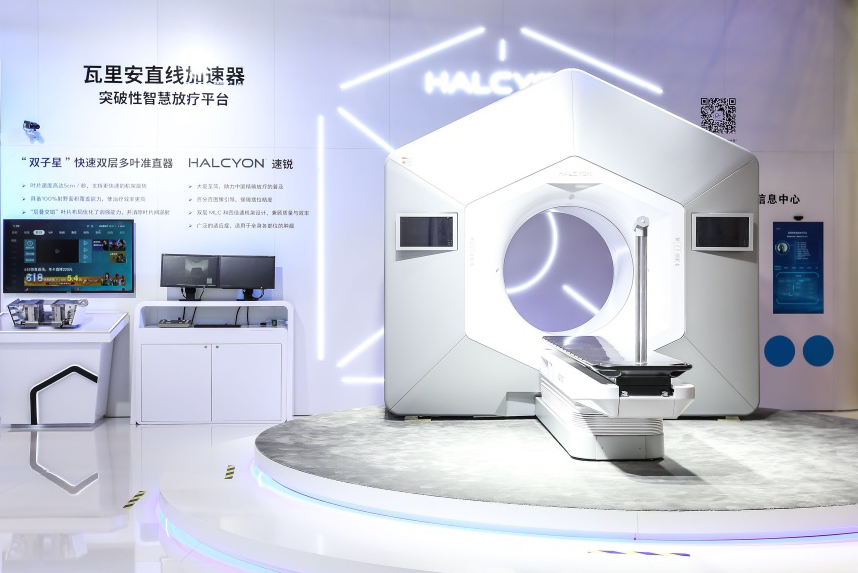
The final ‘HEX’ architecture preserved a sense of poised readiness while projecting precision and the technological confidence essential for global adoption.
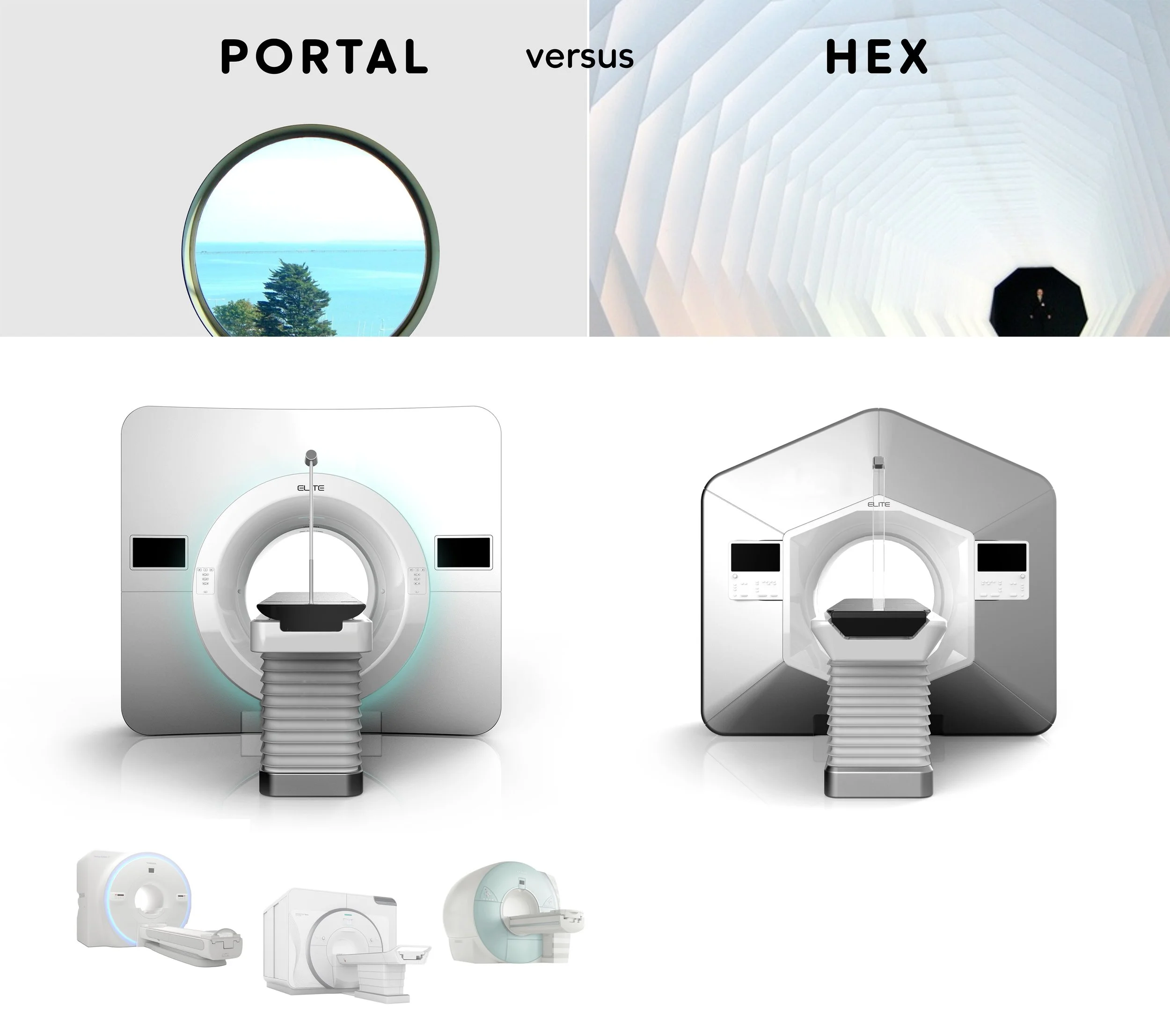
HEX was chosen to realize the bold vision of redefining radiotherapy
HUMAN-CENTERED DESIGN
Immersive testing drove ergonomic breakthroughs
I led a holistic design approach that bridges research, industrial design, engineering, UX, and human factors—aligning teams around shared goals and guiding clients through every phase of development.
The team built full-scale mock-ups to prototype and role-play critical workflows, shaping key interactions across diverse body types, clinical scenarios, and user needs.
This process improved treater ergonomics, simplified workflows, and delivered a more comfortable, less intimidating patient experience.
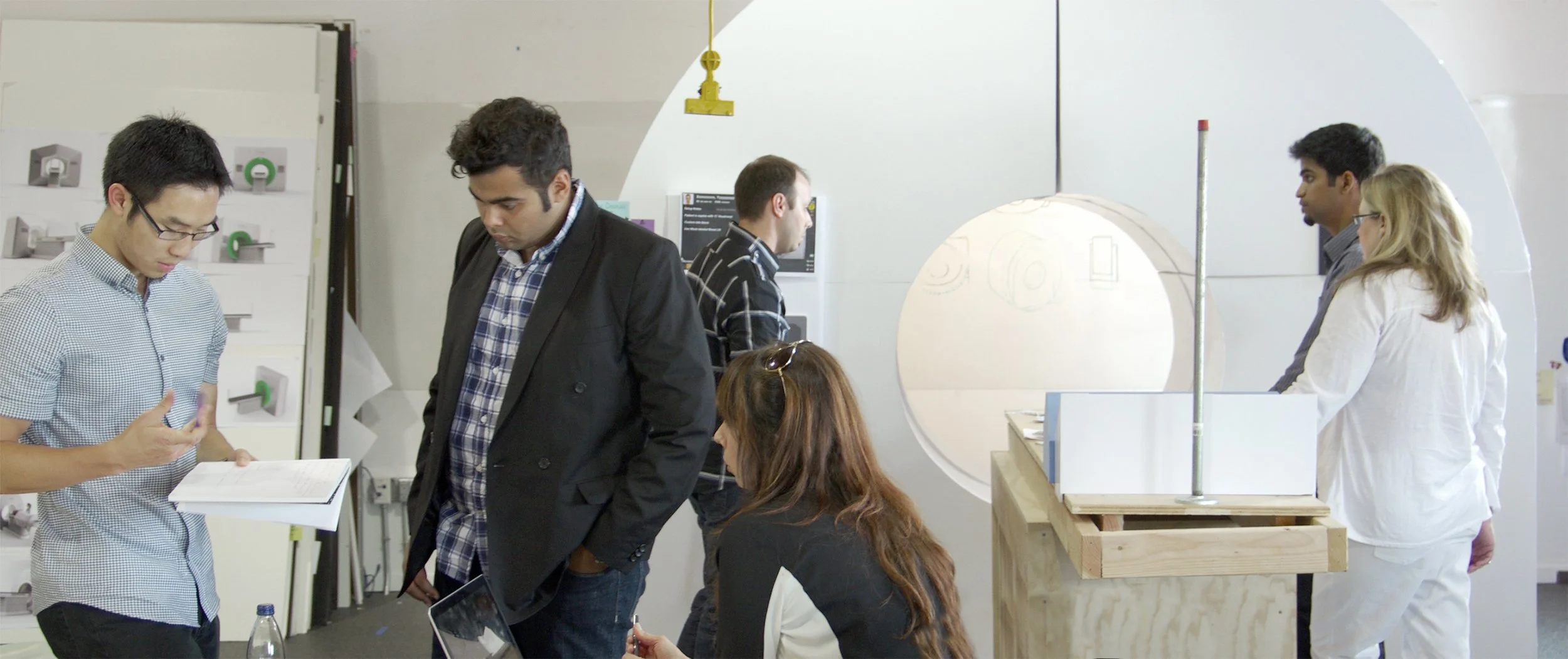
Led hands-on usability workshops with clinical treaters and client teams to shape critical touchpoints—streamlining workflows, reducing errors, and aligning technical constraints with patient and treater needs
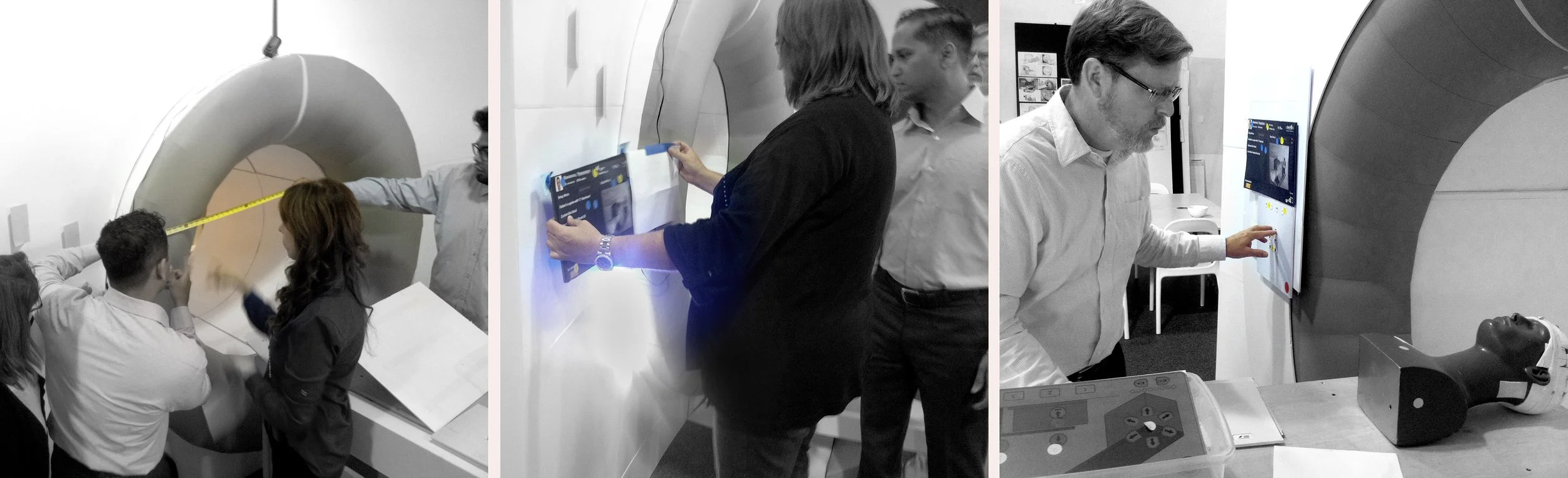
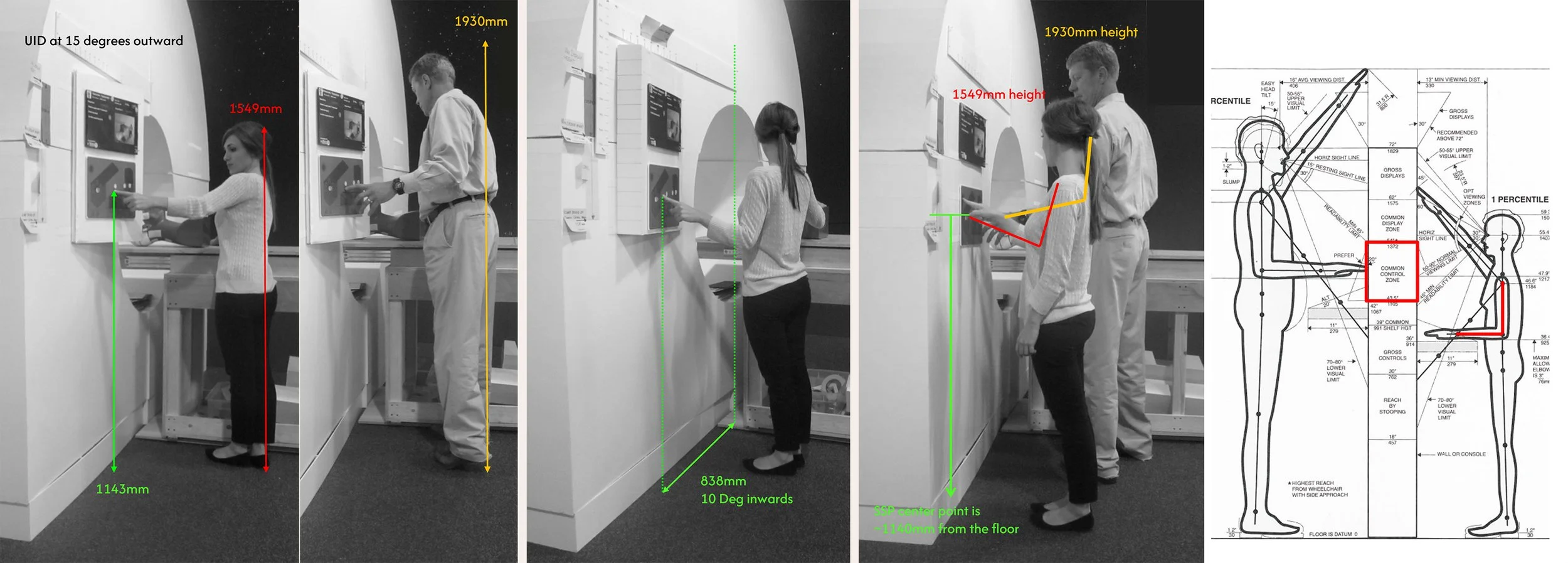
Simulated use across a diverse user set defined optimal User Interface Display (UID) angle and position—improving reach, reducing rotation, and preserving patient access, cross-referenced with Dreyfuss and current human factors standards
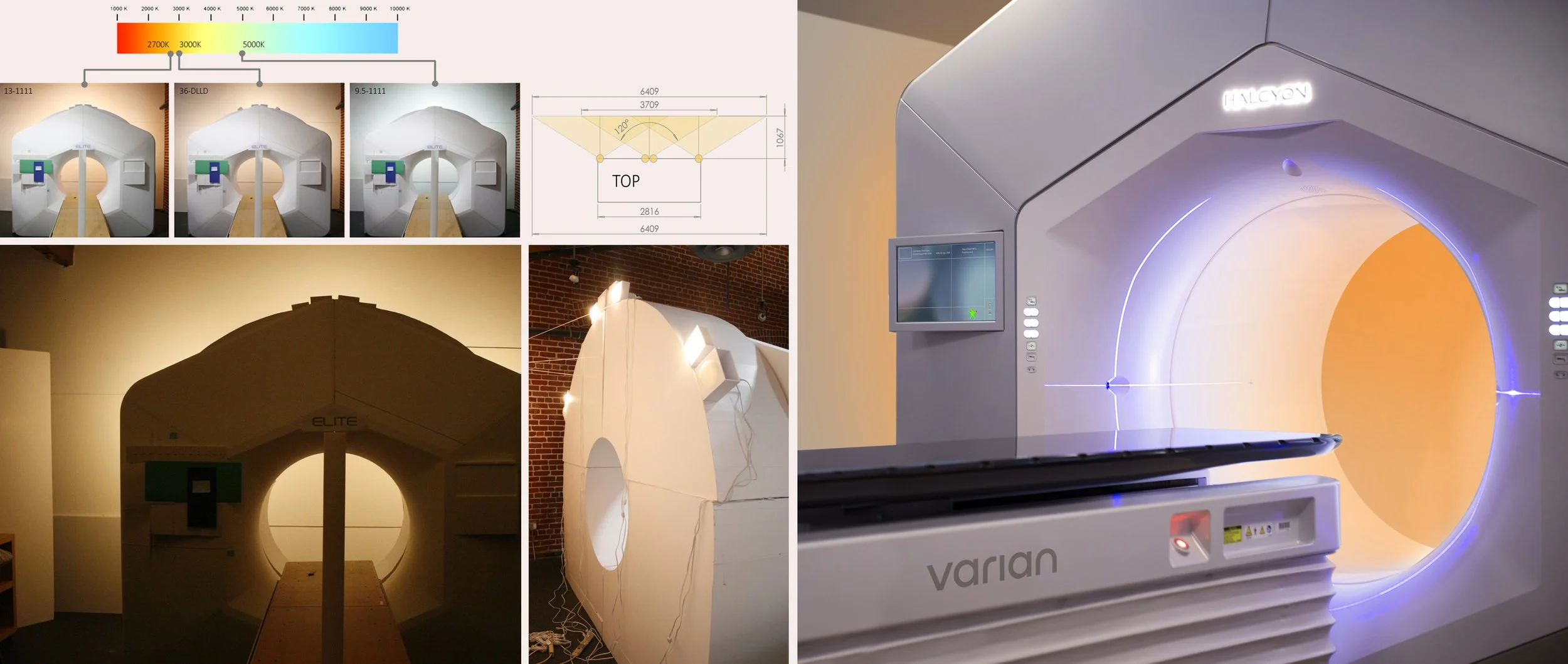
The team tested LED floodlight setups—tuning quantity, angle, placement, brightness, and color—to create soft, indirect lighting within the gantry and projecting from the rear facade, supporting a positive and reassuring patient experience
REFINED USABILITY, SEAMLESSLY EXECUTED
The devil is in the details
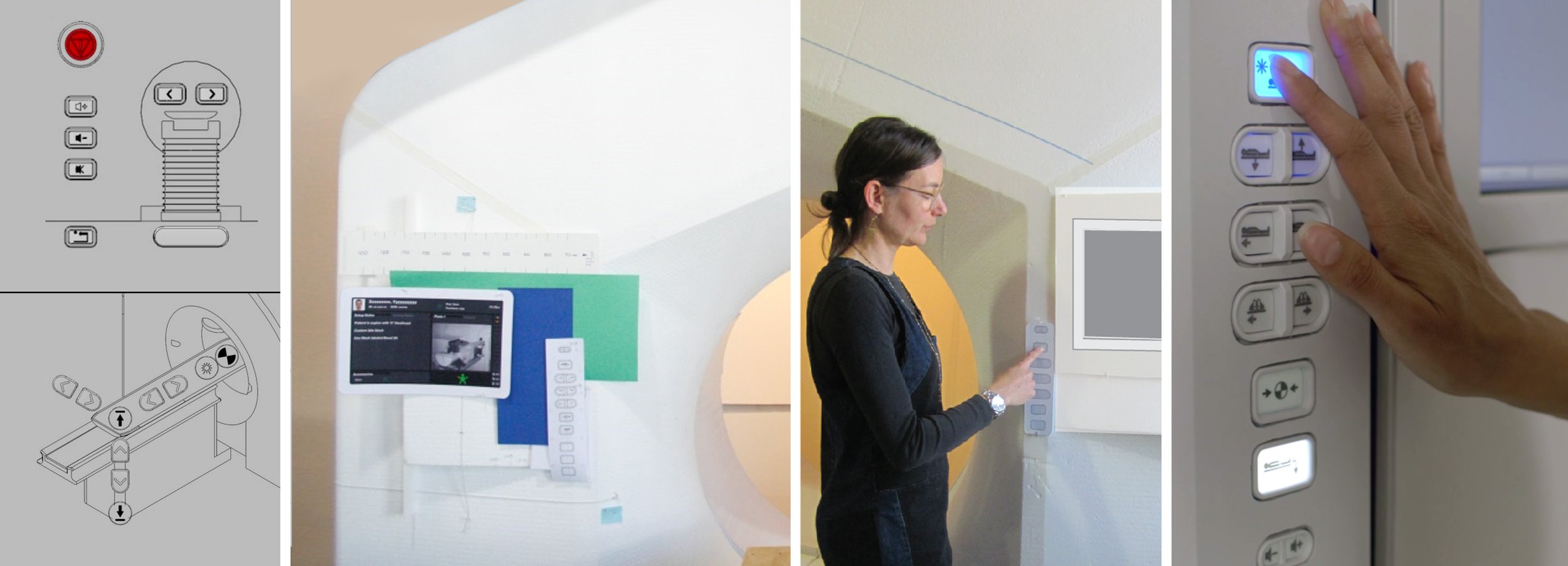
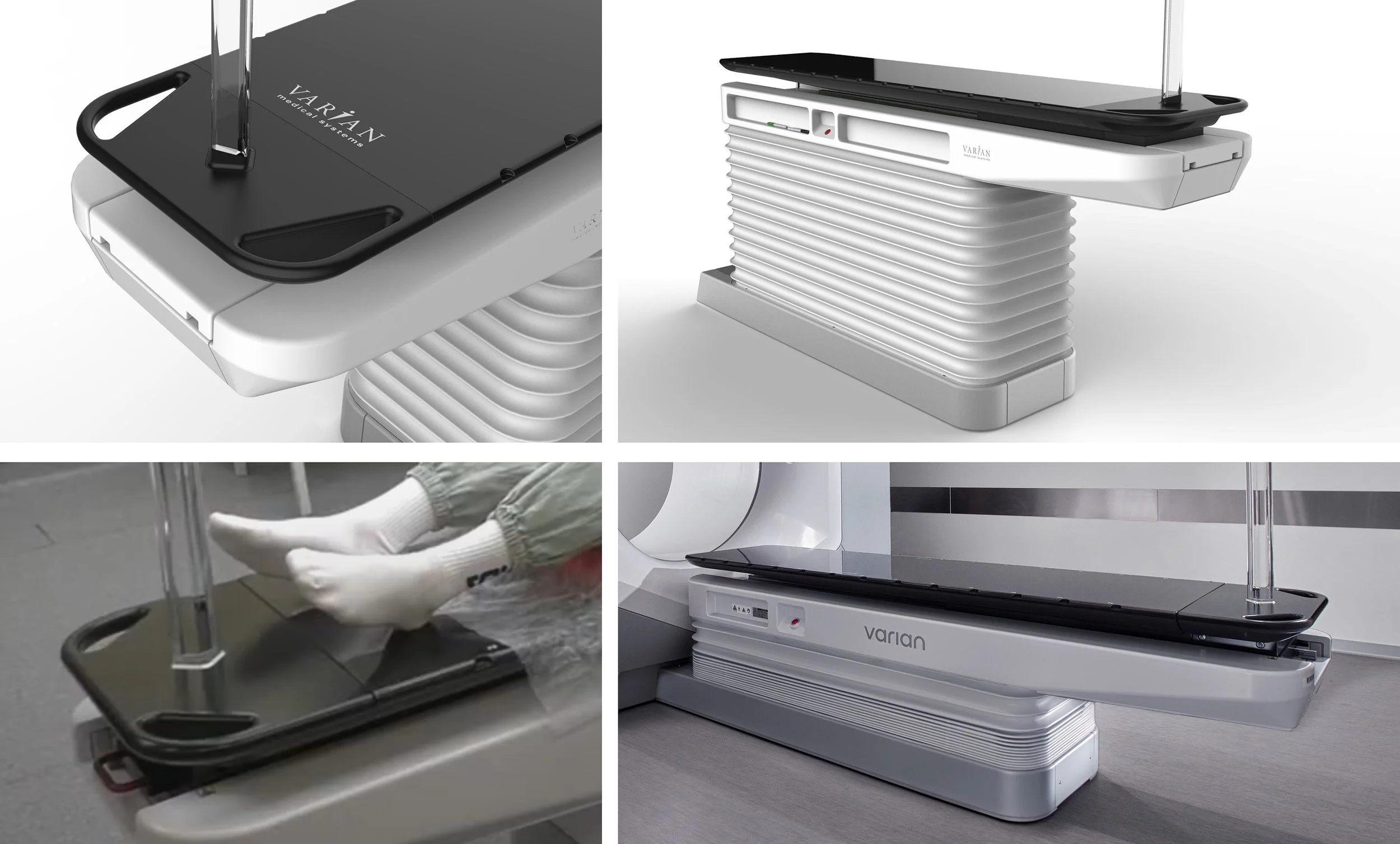
Taking a holistic approach to design detailing and Design for Manufacturing (DFM), I led the effort to deliver an intuitive, training-light system. Key touchpoints—dual operating panels that adapt to either patient loading side, the couch profile, assist handles, integrated camera, storage cubbies, and emergency stop—were thoughtfully designed to enhance usability while seamlessly aligning with the overall aesthetic, creating a calmer, less intimidating experience for all users.
Validated E-stop placement, button angle, and cubby sizing through mockups tested across 33–99% percentile users—enabling rapid design finalization and manufacturing handoff
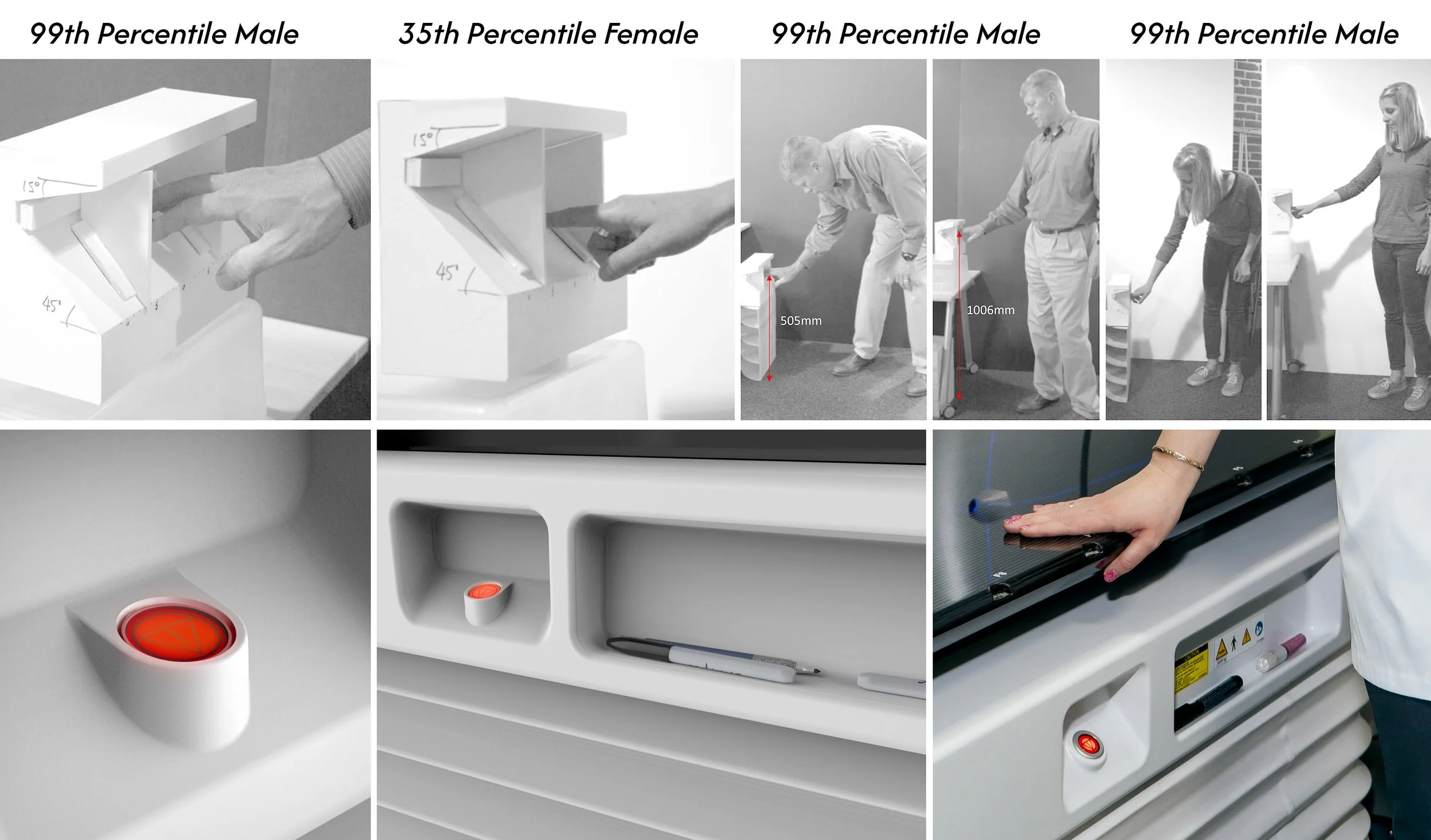
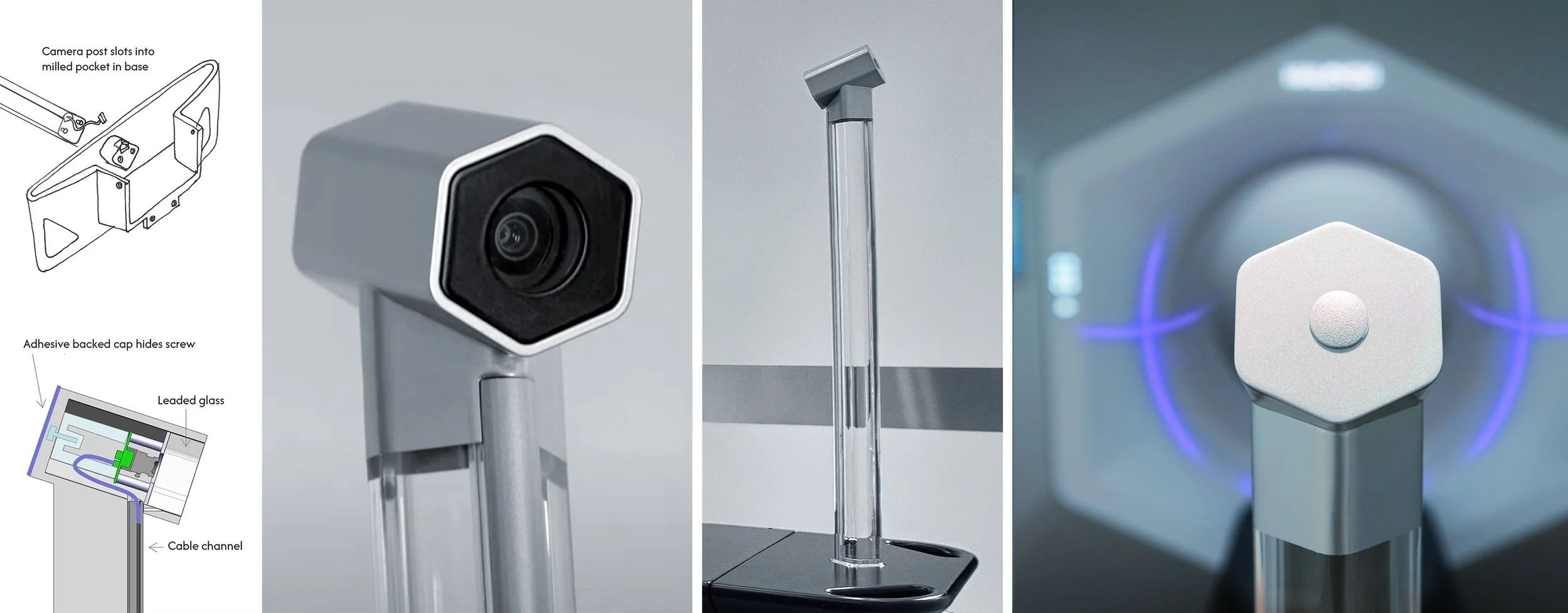
Couch-mounted camera and two-way audio maintain patient visibility and connection—its clear acrylic mounting post feels unobtrusive, enhancing safety without disrupting the therapist’s workflow
Couch profile was refined to align with the machine’s angled surfaces; side handles were validated for ease of use, and couch assembly simplified for efficient manufacturing
IMPACT IN THE FIELD
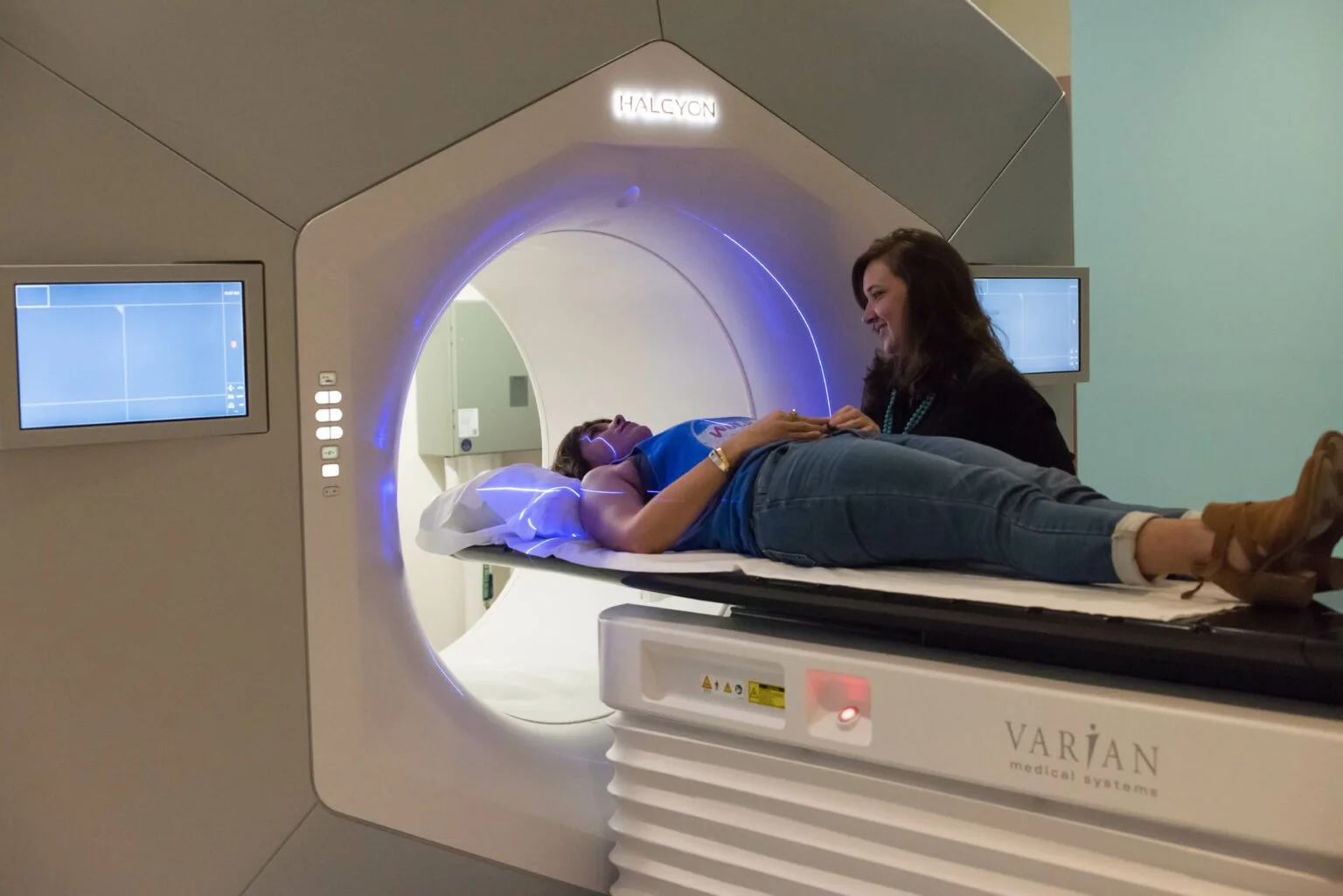
The Radiotherapy Physics Team at the Queen’s Centre found that therapeutic radiographers were able to treat around 20% more patients each month, while power consumption in Bunker 4 dropped by 70% after installing Halcyon. This combination of higher throughput and significantly lower energy use has transformed day-to-day operations.
“Patients who have been treated on the Halcyon generally love the approachability, familiarity, and speed of the setup and treatment on this machine.”
— Dr. Neil D’Souza, Radiation Oncologist, Arizona Oncology, Goodyear, USA
KEY LEARNINGS
This project deepened our shared commitment to radical simplicity. Ross, Varian’s Lead Engineer & UI expert, captured it best:
"Rather than start with a complicated design and then try to take things out, we started with an empty box and carefully put things in—but only if they added significant value."
That principle guided everything—from the dual-operator interface to the ambient lighting—and reminded me that real innovation is removing anything that gets in the way of clarity and ease of use.
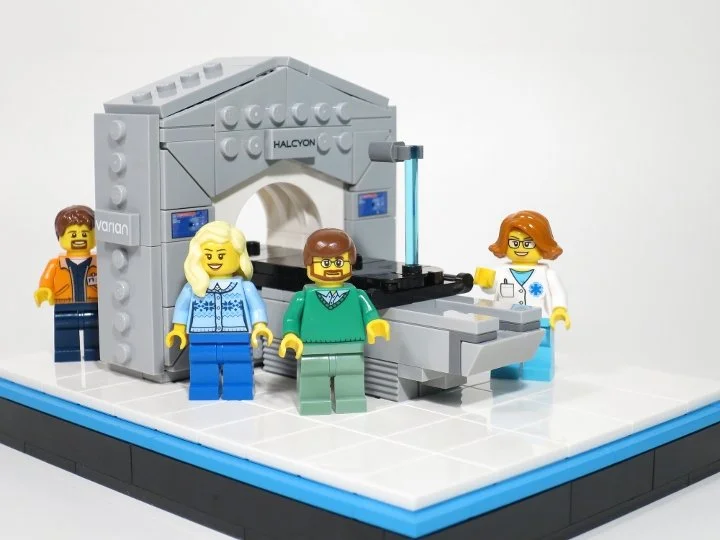
2013 / 2014. Led Design and UX for a 10 month end-to-end design and engineering program—from user journey mapping and research to iterative prototyping, original design expression, and full DFM support—delivering a production-ready solution
TEAM
Senior Creative Leadership
Lea Kobeli – Designed the original HEX and led industrial design, engineering integration, and client workshops to align user research, design direction, human factors, and design for manufacturing (DFM)
Executive Creative Lead
Ken Wood
Industrial Design
Lea Kobeli (Design and Creative Lead), Scott Janis, Junggi Sung, Paul Summerson, Inder Sachdev
User research
Lea Kobeli, Scott Janis
Human Factors and Usability Expert
Scott Janis, Bryant Chu, Lea Kobeli
Mechanical Engineering, Works Like Prototyping & DFM
Dan Kennedy, Art Sandoval, Jeff Servaites, Travis Lee, Michael Roberts, Jin Chai, Bryant Chu
Project Management
Vijay Sekaran, Adam Reed-Erickson
Business Development
Dough Hiemstra, Jeff Smith
CREDITS
Designed by Lunar and McKinsey Design
Media Credits Lunar / McKinsey Design, Varian
AWARDS

ACES 2023 Green Innovation Award
By combining energy-efficient design with a streamlined, patient-centered workflow, the Varian Halcyon system enabled over 70% power reduction while increasing treatment throughput—earning the 2023 Green Innovation Award at the ACES Awards for advancing both clinical and environmental performance.
This project is presented for portfolio purposes only and is not affiliated with or endorsed by any company. All rights reserved.
Back to Overview



More work